Comprehensive Coverage for Seniors in Hawaii
Comprehensive coverage isn't priced differently for seniors in Hawaii, but your car's value, your driving record, and your insurer's own rules still decide what you pay for it.
Comprehensive coverage is available to you at any age
Comprehensive coverage pays for damage to your car from things other than a crash, like theft, fire, vandalism, or a falling branch. Nothing about turning 65 or older changes whether you can buy it or whether an insurer has to sell it to you in Hawaii.
What does change your cost is the usual set of factors: your car's current value, where you park it, your claims history, and the insurer you choose. Age by itself isn't one of the factors insurers use to raise comprehensive rates, though some insurers do offer senior discounts on the whole policy. Ask your insurer whether one applies to you.
Your car's value decides whether comprehensive still makes sense
Comprehensive coverage pays out up to your car's actual cash value, minus your deductible. As a car gets older, that value drops, and at some point the most you could ever collect is less than what you're paying in premium plus deductible.
This matters more for a driver who's held the same car a long time, which is common. If your car is paid off and worth relatively little, run the math: look up what your car would sell for today, then compare that to a year of comprehensive premium plus your deductible. If the payout wouldn't clear much after the deductible, the coverage may no longer be worth carrying.
If you're still making loan or lease payments, this decision isn't yours to make. Most lenders and leasing companies require comprehensive coverage until the loan is paid off, regardless of the car's age or value.
Check your car's value with a source like the dealer who'd buy it or a trade-in estimate, not just what you paid for it years ago.
Hawaii's insurance rules and your record both play a part
Hawaii requires liability insurance but not comprehensive coverage, so carrying it is your choice once any loan is paid off. Rates for it, like other coverage, are filed and regulated by the state, but insurers still set their own prices within those rules, so quotes can vary by company.
Your driving record still matters. A clean record over recent years generally works in your favor with most insurers, comprehensive included, even though comprehensive claims themselves aren't about who's at fault.
If you've taken a defensive driving or mature driver course, ask your insurer directly whether it qualifies you for a discount in Hawaii. Some insurers honor these courses and some don't, and you typically have to send in the completion certificate yourself. It isn't applied automatically.
If you drive less than you used to, mention that too. Some insurers factor annual mileage into comprehensive pricing, and a lower mileage estimate can bring the cost down.
Questions people ask about this
Does comprehensive coverage cost more for older drivers in Hawaii?
Not because of age alone. Insurers price comprehensive mainly on your car's value, your location, and your claims history. If your premium has gone up at renewal, ask your insurer to explain which factor changed.
Can I drop comprehensive coverage if my car is paid off?
Yes, once there's no loan or lease requiring it, comprehensive is optional in Hawaii. Whether it's worth keeping depends on your car's current value against what you'd pay in premium and deductible.
Will a senior discount lower my comprehensive premium in Hawaii?
It depends on the insurer. Some offer a discount for completing a mature driver course or simply for reaching a certain age, applied to the whole policy rather than comprehensive specifically. Ask your insurer what they offer and what they require to apply it.
Does comprehensive coverage cover storm or lava damage in Hawaii?
Comprehensive generally covers damage from events other than a collision, which can include weather and natural hazards, but exact terms vary by policy. Read your policy's definitions or ask your insurer what's included before assuming a specific event is covered.
Should I raise my deductible to lower my comprehensive premium?
A higher deductible usually lowers your premium, but it also means paying more out of pocket if you file a claim. Decide based on what you could comfortably pay if your car were damaged tomorrow, not just on the monthly savings.
See what comprehensive coverage would actually cost you from a few different insurers before you decide to keep it or drop it.
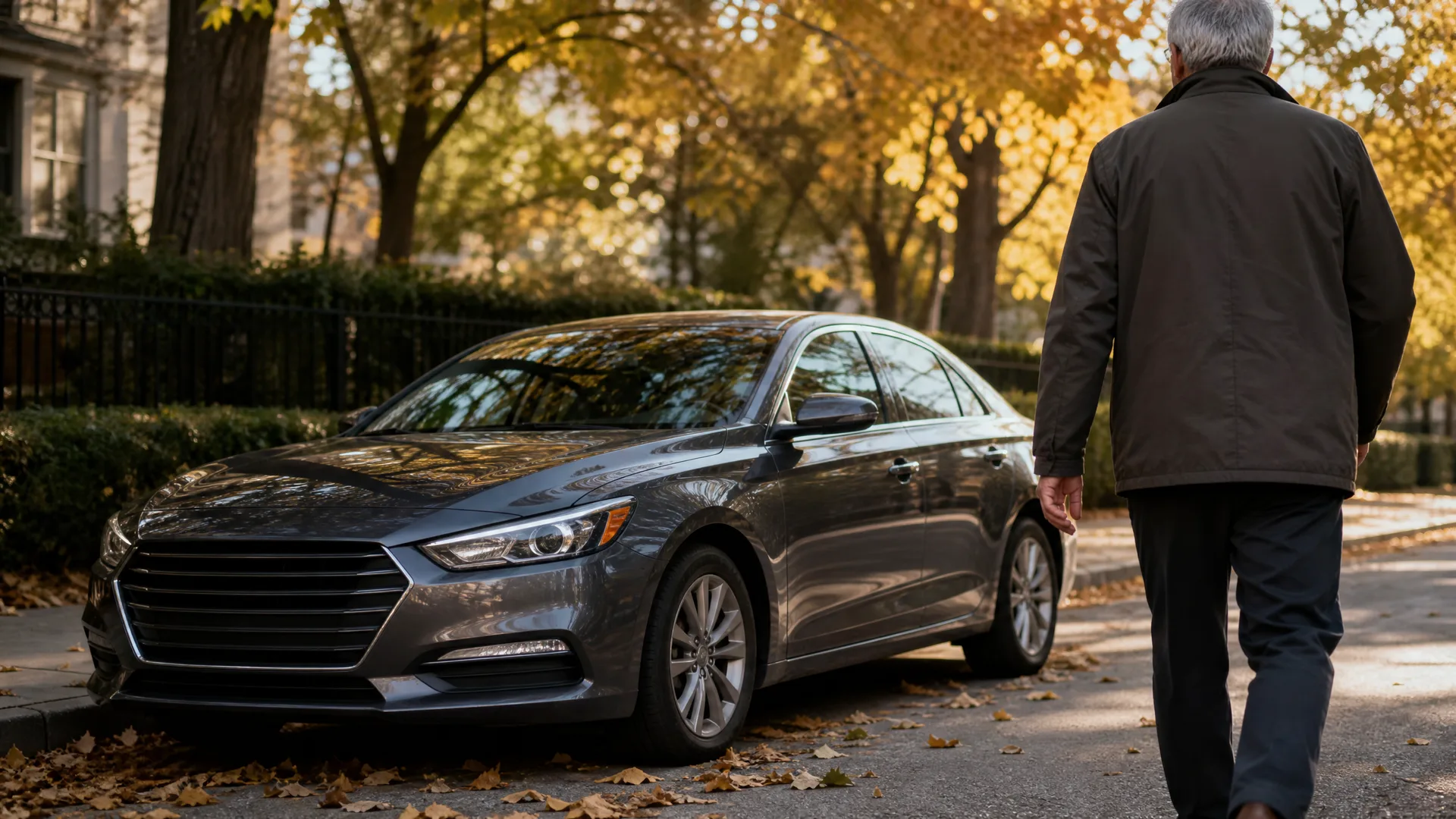
Pull up your current policy and check what you're paying for comprehensive coverage specifically, not just your total premium. Look up your car's trade-in value so you can compare it to that cost plus your deductible. Call your insurer and ask directly whether any senior or mature driver discount applies to you, and what they need from you to apply it. If you've taken a driving course recently, have the certificate ready to send in. Then get a few quotes to see whether another insurer prices your car and your record differently.