Does Comprehensive Cover a Stolen Car
Comprehensive coverage pays out if your car is stolen, but what you get back depends on your policy and your car's value, not what you paid for it.
Yes, if you carry comprehensive coverage
Comprehensive is the part of your policy that covers theft. If your car is stolen and not recovered, or recovered damaged, comprehensive is what pays for it. Liability coverage alone won't help here. It only covers damage you cause to someone else.
The payout is the car's actual cash value at the time it was stolen, not what you paid for it or what it would cost to replace. Your insurer subtracts your deductible from that amount. If you dropped comprehensive at some point, maybe because the car was paid off and you wanted a lower premium, you won't have this protection. Check your declarations page if you're not sure which coverages you're carrying.
What your insurer needs to pay the claim
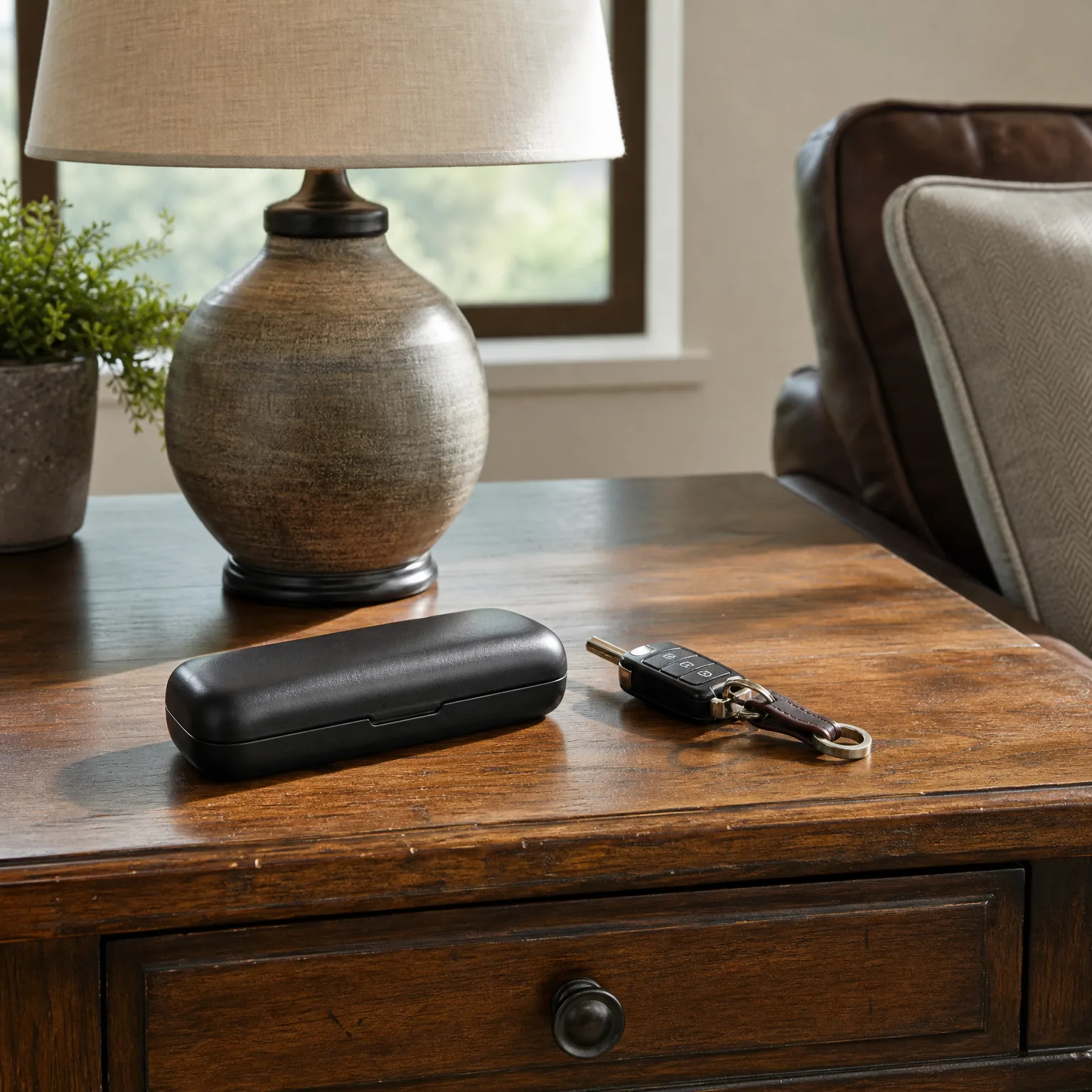
A stolen car claim moves faster when you can show the car was actually stolen and that you're the owner. Your insurer will want the police report, your registration, and both sets of keys if you have them.
If you can only produce one key, or the car shows no sign of forced entry, your insurer may ask more questions before paying. This isn't about doubting you. It's about the claims process ruling out other explanations first.
If you still owe money on the car, your lender is listed on the policy and gets paid before you do. Whatever is left after the loan balance is settled goes to you.
File the police report right away. Most insurers want it before they'll open a theft claim, and waiting makes the timeline harder to explain.

What people get wrong about the payout
Many drivers assume the insurer will cover what they still owe, or what a replacement car costs today. Neither is guaranteed. The payout is based on the stolen car's value right before it was taken, and cars lose value every year.
If you owe more on your loan than the car is worth, the comprehensive payout may not cover the full balance. Gap insurance is what covers that difference, and it's a separate coverage you'd need to have added beforehand.
Your deductible applies the same way it would for a collision or a weather claim. A higher deductible means a lower premium, but it also means a smaller check if the car is stolen.
If your car is recovered after you've already been paid, your insurer typically takes ownership of it. You don't get to keep the payout and the car.
Questions people ask about this
What happens if my car is stolen and I only have liability insurance?
Liability coverage won't pay you anything for your own stolen car. It only pays for damage or injury you cause to someone else. Without comprehensive coverage, you'd have no way to recover the car's value through your own policy.
Does comprehensive cover items stolen from inside my car?
Usually not. Comprehensive covers the vehicle itself, not personal belongings left inside it. A stolen phone, laptop, or bag is typically a matter for your homeowners or renters policy, if you have one. Check with that insurer about what's covered.
How long does an insurer wait before declaring a stolen car a total loss?
This varies by insurer and by state, so there's no single answer. Ask your insurer directly what their waiting period is once you've filed the police report and the claim.
Will my premium go up after a stolen car claim?
It depends on your insurer and your overall record. A theft claim is different from an at-fault accident, and some insurers treat it more leniently, but there's no rule that guarantees your rate stays the same. Ask your insurer how they handle comprehensive claims specifically.
Do I need a police report to file a stolen car claim?
Yes, nearly every insurer requires one before opening a theft claim. File it as soon as you discover the car is missing. The report date and details are part of what your insurer uses to verify the claim.
If your car was recently stolen or you're worried it could be, it's worth checking that your comprehensive coverage and deductible still match what the car is worth.
If your car is stolen, file a police report first and get a copy of it for your insurer. Pull your declarations page and confirm you have comprehensive coverage before you call in the claim. Gather your registration, both keys if you have them, and your loan information if the car isn't paid off. Ask your insurer how they calculate actual cash value and whether gap coverage applies to your loan. If you're not currently carrying comprehensive, or your deductible feels too high for what the car is worth, this is a good time to compare quotes and see what other coverage would cost.