Liability Only Car Insurance for Seniors in California
California lets drivers of any age carry liability only coverage, but whether it's the right choice depends on what your car is worth and what you'd lose without more protection.
Yes, age alone doesn't limit your options
California does not restrict liability only coverage by age. You can choose it at any point, including after years of carrying full coverage. The state requires every driver to carry liability insurance, and that requirement doesn't change once you've paid off a car or qualify for a senior discount.
What matters more than your age is what you're protecting. Liability only pays for damage and injuries you cause to others. It pays nothing toward your own car if you're at fault in a crash, hit a deer, or park under a falling branch. Whether that gap is a real risk for you depends on what your car is worth and whether you could replace it without the payout.
What your car is worth changes the math
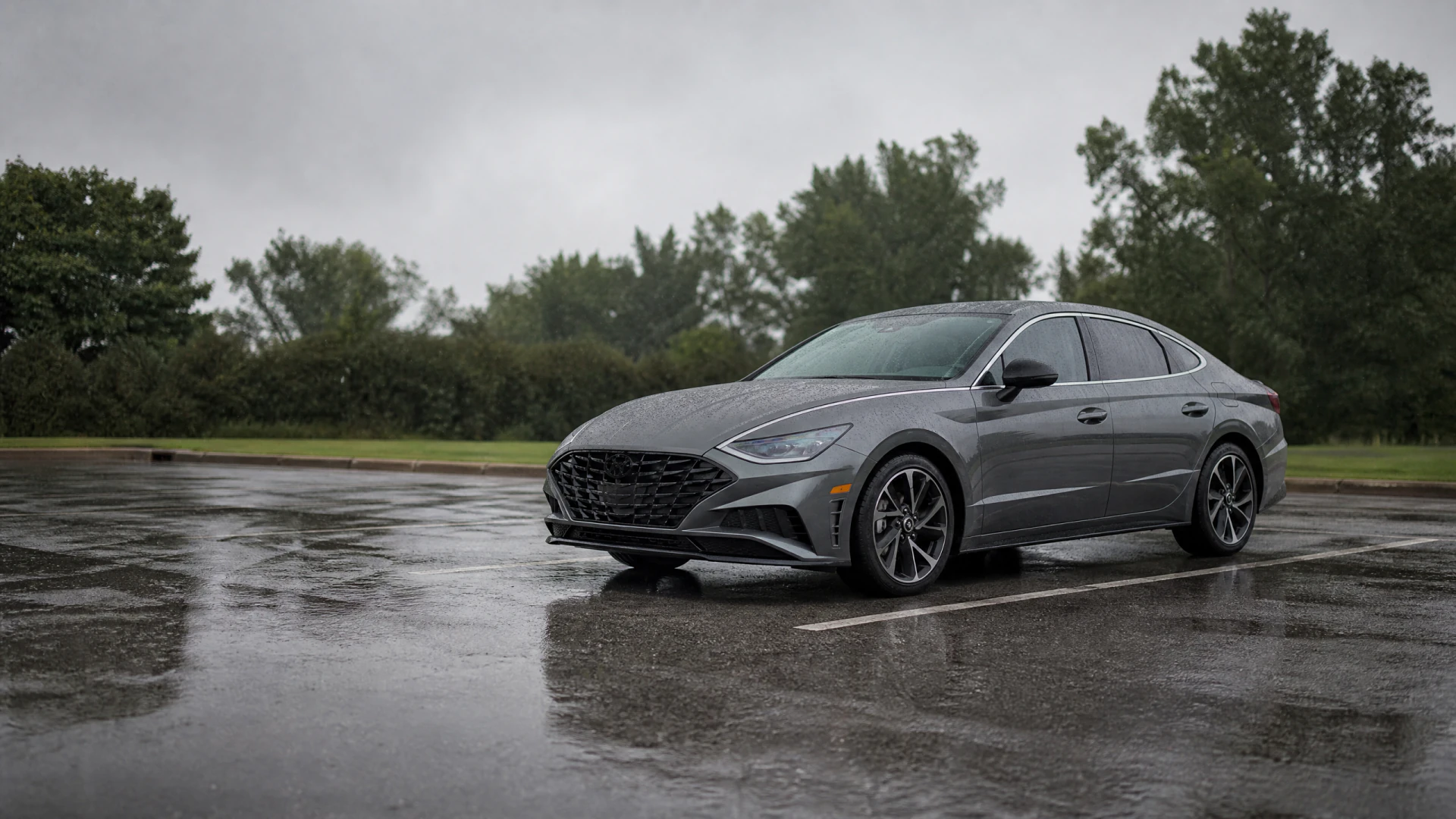
If your car is older and has lost most of its value, paying for collision and comprehensive coverage on top of liability often costs more over time than the car would be worth if it were totaled. In that case, dropping down to liability only can make sense regardless of your age.
If you're still driving a newer car, or one you financed, the calculation is different. A lender usually requires you to carry full coverage until the loan is paid off, so liability only isn't an option yet even if you want it.
A simple check: look up what your car would sell for today. Then look at what you're paying each year for collision and comprehensive combined. If that premium is close to a large share of the car's value, liability only is worth considering. If the car is worth much more than that, you're probably still ahead keeping fuller coverage.
This is a decision about the car, not about what's typical for someone your age. Two drivers of the same age with different cars can reasonably land on different answers.
Your driving record and how much you drive
Insurers set your rate using your driving history, not a birthday. A long clean record can work in your favor when you shop liability only, because insurers tend to reward decades without claims or violations.
If your eyesight, reaction time, or health has changed recently, some insurers ask about that directly or may require a vision test or a note at renewal, depending on the company and sometimes the state. That's separate from the liability-only decision itself, but it can affect what you're offered or what you pay.
How much you drive matters too. If you've cut back significantly, whether from retiring, giving up a commute, or simply driving less, some insurers offer lower rates for low mileage. That can make liability only even more worthwhile, since you're paying less overall for the risk you're actually taking on.
If you're helping a parent with this decision, ask them directly how often they drive now, and check their most recent renewal notice for any mention of a vision test or medical form. Those details affect the comparison more than their age does.
Questions people ask about this
Does dropping full coverage affect my senior discount?
Senior discounts are usually tied to your age, your driving record, or a safety course certificate, not to which type of coverage you carry. Ask your insurer directly whether the discount applies to liability only coverage or only to full coverage policies, since this varies by company.
Will my rate go up if I switch to liability only and then want full coverage back later?
Switching back to full coverage later is usually possible, but your new rate will be based on your situation at that time, not what you paid before you switched. Ask your insurer how a gap or a switch in coverage type affects pricing if you think you might want to change back.
Can my car be too old to qualify for full coverage even if I want it?
Some insurers won't offer comprehensive and collision coverage on cars past a certain age or value, regardless of what the owner wants. If you're considering keeping full coverage on an older car, ask your insurer whether they still offer it for a vehicle of that age.
Do I need a medical exam or vision test to keep my policy in California?
Car insurance renewal in California is not tied to a vision test in the way license renewal can be. Vision requirements are a DMV matter tied to your license, not something your insurer typically requires to keep you insured, but check your insurer's renewal terms to be sure nothing has changed.
What happens if I cause an accident and only have liability coverage?
Liability coverage pays for the other driver's damage and injuries up to your policy limits, but it pays nothing toward repairing or replacing your own car. You would cover that cost yourself, which is the main tradeoff to weigh before dropping collision and comprehensive coverage.
See what liability only would actually cost for your car before you decide to switch.
Pull your most recent renewal notice and find the breakdown between liability, collision, and comprehensive costs. Look up your car's current value using a site like Kelley Blue Book. Compare what you're paying for collision and comprehensive against that value. Then call your insurer or agent and ask directly what liability only would cost for your car and whether any discounts you currently have would still apply. If you're helping a parent, do this with their most recent bill in hand rather than guessing at their coverage.