Liability Only Car Insurance for Seniors in North Carolina
North Carolina lets drivers carry liability only coverage at any age, so the choice is open to seniors, but what it costs and whether it makes sense depends on the car and the driving record behind it.
Yes, liability only is available, and often worth a look
North Carolina does not restrict liability only coverage by age. Any licensed driver can choose it, drop collision and comprehensive, and pay for the minimum liability the state requires plus any extra liability they want on top.
For a lot of senior drivers this makes sense once a car is paid off and worth less than it used to be. The math is simple: if the car's value is low, the payout from comprehensive or collision coverage would be low too, so the extra premium for carrying it stops buying much. What it depends on is the car's current value and what the driver would do if it were totaled. Someone who'd need the payout to replace the car should think twice before dropping full coverage.
What the car is worth decides more than age does
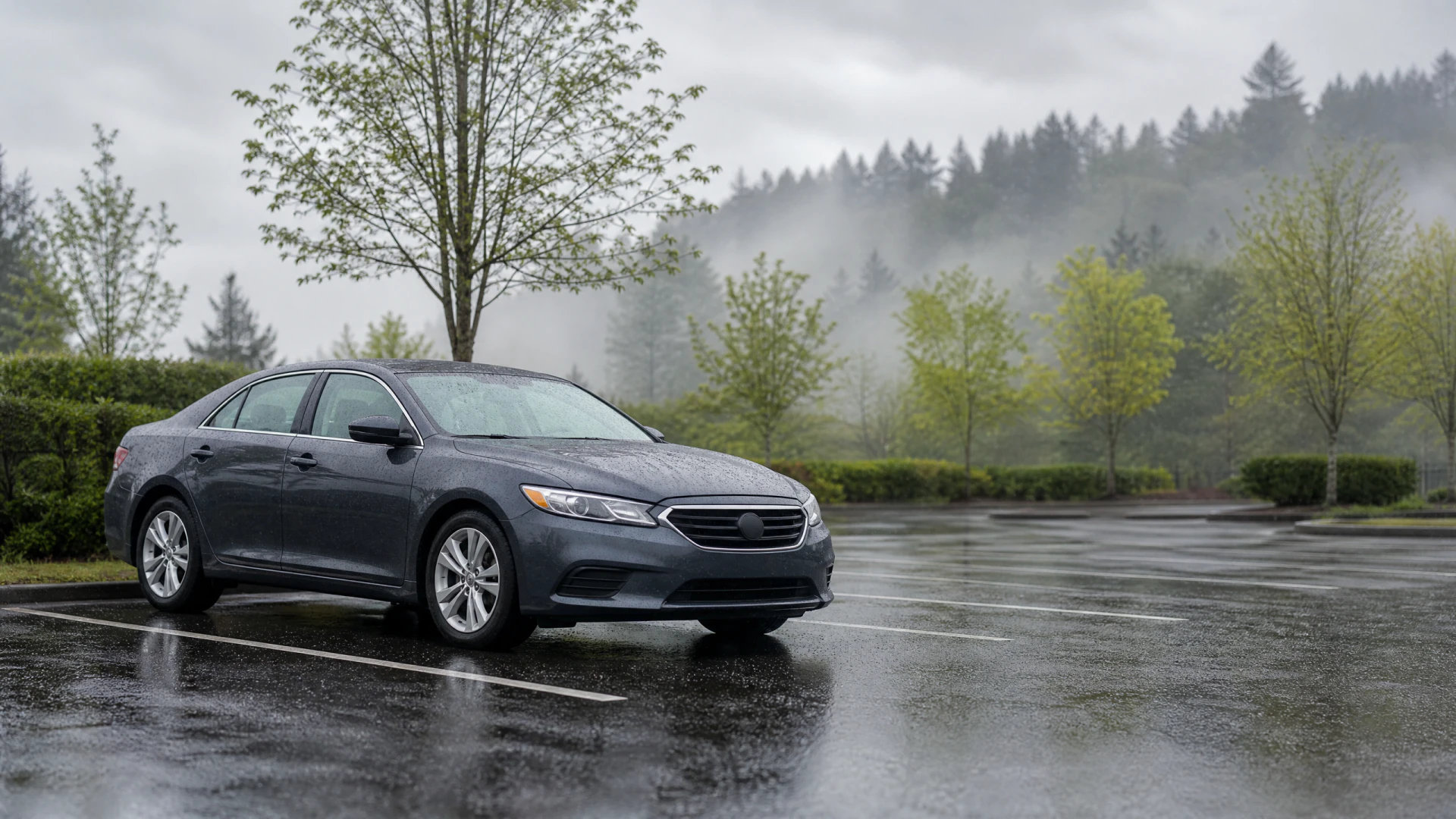
The decision to go liability only turns mostly on the car, not the driver's age. A car with real resale value still benefits from collision and comprehensive, because a crash or theft would cost real money to replace. An older car worth little carries less reason to pay for that protection.
A rough way to check: look up what the car would sell for today, then compare that to what collision and comprehensive have been costing for a year. If the annual cost for that coverage is close to or more than the car's value, liability only starts to make sense.
Some lenders require full coverage while a car loan or lease is active. Once that loan is paid off, the choice becomes the owner's alone, and that's often the point where a senior driver first considers switching.
If the car is the only one in the household, or it's needed for daily errands and doctor visits, think about how it would get replaced without an insurance payout. That's the real cost of dropping the coverage, not just the premium saved.
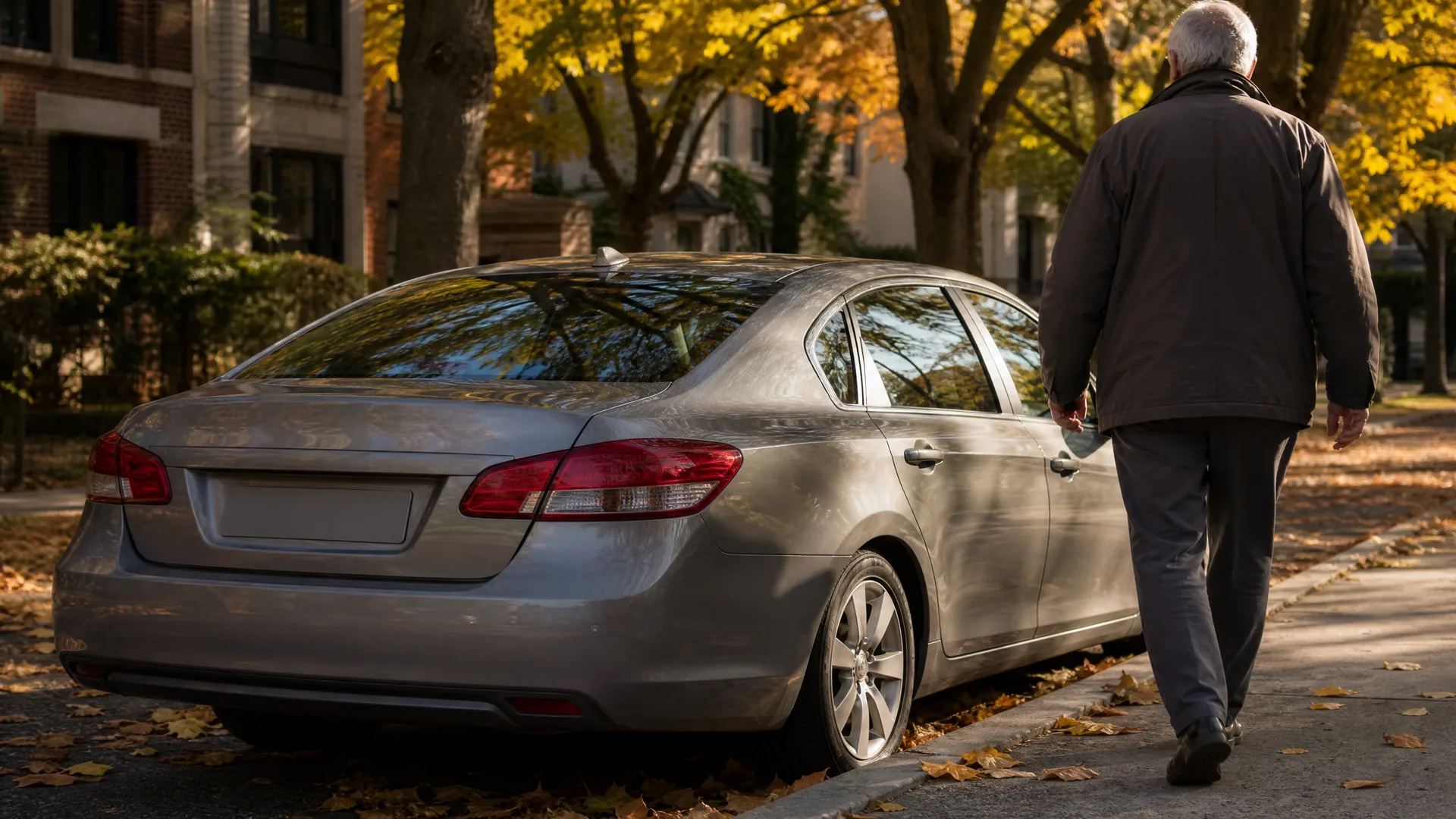
Driving record and health-related renewals matter too
A long, clean driving record tends to bring better rates on whatever coverage a senior chooses, liability only or full. Insurers price risk based on history, not years lived, though age can factor into how insurers assess risk on the actuarial side, and that varies by company.
North Carolina has its own rules about vision screening and renewal requirements for older drivers, and those rules change over time. Check with the North Carolina DMV directly for the current renewal and vision testing requirements that apply.
A lapse in coverage or a license that isn't renewed on schedule can affect both driving legally and insurance pricing. Keeping the license current and the policy active without gaps matters more to the rate than switching to liability only does.
Some insurers offer a discount for completing an approved driver safety course. If a reader takes one, they need to send the completion certificate to their insurer directly. The discount isn't applied automatically just because the course was finished.
Questions people ask about this
Does North Carolina require a vision test to renew a license at a certain age?
North Carolina sets its own rules for this and they can change, so check directly with the North Carolina DMV for the current requirement. Renewal rules for vision and other testing are set by the state, not by insurers.
Will dropping to liability only lower my car insurance rate?
It generally lowers the premium because collision and comprehensive are no longer part of the policy. How much it lowers depends on the car's value and the insurer's pricing, so ask for a quote with and without that coverage to see the actual difference.
Can my insurer cancel my policy just because I'm older?
Insurers generally cannot cancel a policy based on age alone. They can decline to renew or adjust pricing based on factors like driving record, claims history, or state rules, so ask your insurer directly what their policy is if this concerns you.
What happens to my rate if I stop driving but keep the car insured?
Some insurers offer a lower rate for infrequent or non-driving use, but this varies by company. Ask your insurer whether they have a reduced-use or low-mileage option if the car is rarely driven.
Is liability only coverage enough if someone else drives my car?
Liability only still covers damage or injury you cause to others while someone else is driving your car with permission, in most cases. Coverage for the car itself and for the driver would depend on whether you carry collision and comprehensive, so check your policy's terms on permissive use.
See what liability only and full coverage would each actually cost for your car before deciding.
Pull up the car's current estimated value and your last renewal notice before comparing anything. Call your current insurer and ask what the premium difference is between your current coverage and liability only, so you have a real number to compare against new quotes. If you've taken a driver safety course recently, send the certificate to your insurer now rather than assuming the discount was applied. Check with the North Carolina DMV for any upcoming renewal or vision testing requirements tied to your license, so a lapse doesn't complicate your insurance. Then compare quotes from a few insurers side by side, looking at both liability only and full coverage, since pricing for the same coverage can differ significantly between companies.